Tinubu makes u-turn says p𝐫𝐞𝐬𝐢𝐝𝐞𝐧𝐭𝐢𝐚𝐥 𝐩𝐚𝐫𝐝𝐨𝐧 𝐬𝐭𝐢𝐥𝐥 𝐮𝐧𝐝𝐞𝐫 𝐫𝐞𝐯𝐢𝐞𝐰 not implemented
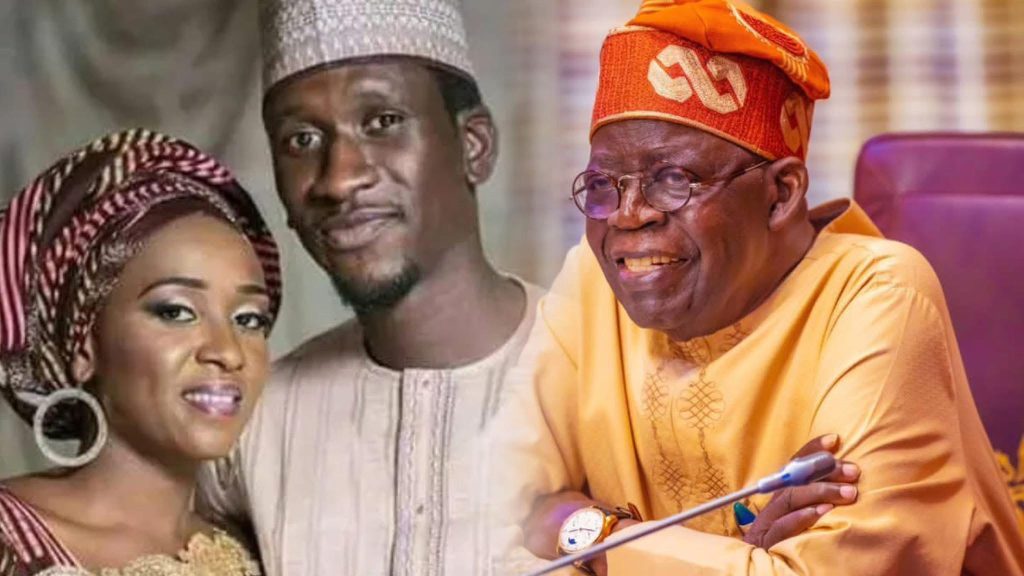
The initial outrage over Nigerian President Bola Tinubu’s broad presidential pardon has been met with a surprising twist, as the Presidency now clarifies the move is merely “under review” and not yet implemented. The reversal follows a swift and intense public backlash, highlighting a profound disconnect between the government’s actions and the public’s perception of justice. For a nation grappling with persistent insecurity, corruption, and a fragile justice system, the news has been met with a mix of fury, suspicion, and reopened wounds for the victims of the pardoned criminals.
In early October 2025, President Tinubu granted a widespread presidential pardon and clemency to 175 individuals, including drug traffickers, kidnappers, murderers, and corrupt officials. The list also controversially included Maryam Sanda, who was sentenced to death for her husband’s murder, and other politically connected figures.
The decision was met with immediate and fierce condemnation from various groups across Nigeria.
The family of Bilyaminu Bello, Maryam Sanda’s murdered husband, expressed profound grief and outrage, feeling that the pardon reopened deep and painful wounds.
Amnesty International Nigeria stated the pardon “undermines the rule of law” and “prevents reparations for victims”. HURIWA, another human rights group, called the move a “dangerous contradiction” to the government’s fight against crime.
Former Vice President Atiku Abubakar described the act as a “reckless use of presidential pardon” that “undermines justice and emboldens criminality”. Legal experts questioned the timing and criteria, suggesting a lack of transparency.
The presidency’s defense of the pardon citing the committee’s recommendations, good conduct, and an effort toward national unity-was largely overshadowed by public suspicion. Many perceived the pardons as politically motivated, with critics suggesting they were aimed at rehabilitating political allies ahead of the 2027 elections.
The recent clarification that the pardon is still “under review” adds another layer of emotional turmoil for many Nigerians. For victims, it is a bitter and confusing rollercoaster—a brief moment of fresh pain followed by the uncertainty of whether true justice will prevail. For the wider populace, it fuels mistrust and reinforces a feeling of being misled. The episode has reignited a deep-seated national conversation about the integrity of the justice system and the true meaning of mercy, highlighting the profound emotional weight of such executive decisions on a nation still striving for healing and accountability.